Skip to content


Sabudana khichdi can turn heavy even when the pearls do not stick together. Rinse away loose starch, soak with limited water, keep the peanuts coarse, brown the potatoes first and cook the sabudana only briefly. The goal is contrast: separate pearls, golden potatoes and peanuts that still have some texture.
Sabudana khichdi can look perfectly separate and still feel heavy. Too much peanut powder, overly soft potatoes and several extra minutes under a covered lid can make every bite dense and similar.
A better result comes from preparing the main elements differently: soak the sabudana until soft but separate, keep the peanuts coarse, let the potatoes develop colour and bring everything together only near the end.
Ingredients for Sabudana Khichdi
For two to three servings:
1 cup sabudana
1 medium potato, cut into small cubes
½ cup roasted peanuts
1 green chilli, finely chopped
1 teaspoon cumin seeds
1 tablespoon ghee or oil
Rock salt as required
½ teaspoon sugar, optional
1 teaspoon lemon juice
2 tablespoons chopped coriander
Fresh coconut, optional
Fasting practices differ between households, so use only ingredients that fit your usual rules.
Step 1: Rinse Until the Loose Starch Is Gone
Rinse the sabudana two or three times, moving the pearls gently rather than rubbing them.
Drain the cloudy water after each rinse. Removing this loose surface starch reduces the chance of a sticky coating forming later.
Step 2: Soak with Less Water Than You Think
After the final rinse, add enough water to reach roughly the same level as the sabudana rather than submerging it deeply.
Leave it covered for four to six hours or overnight, depending on the variety.
Before cooking, check two things:
A pearl should flatten easily when pressed, without a hard centre.
The soaked batch should loosen easily with a fork.
If the centre remains firm, sprinkle over a tablespoon of water and give it more time instead of pouring in a large quantity and draining it later.
Step 3: Keep Some Crunch in the Peanuts
Let the roasted peanuts cool fully before grinding. Pulse them until you have a mixture of coarse powder and small pieces rather than fine peanut dust.
A mixer grinder by Wipro Appliances makes this step easier, but the useful part here is control rather than maximum grinding. Short pulses are enough because the peanuts should remain coarse instead of turning oily or paste-like.
Mixer grinder wattage becomes more relevant when the appliance is used regularly for tougher or larger grinding jobs. For a small batch of roasted peanuts, the more important decision is how briefly you run it.
A good mixer grinder guide can also help distinguish between dry-grinding, wet-grinding and blending needs when choosing the right jar and power level for everyday prep.
Mix most of the ground peanuts with the soaked sabudana, salt and optional sugar. Keep a spoonful aside for the final garnish.
Step 4: Give the Potatoes Their Own Time on the Pan
Heat the ghee or oil in a broad pan. Add cumin seeds and let them crackle, then add the green chilli and potato cubes.
Spread the potatoes in one layer and leave them long enough for the underside to develop some colour before turning. They should be tender before the sabudana enters the pan.
This matters because waiting for undercooked potatoes later means keeping the sabudana on the heat longer than it needs.
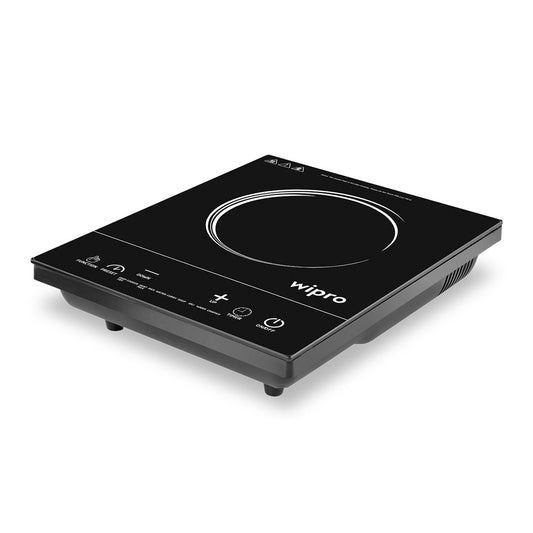
An induction cooktop by Wipro Appliances can make this stage easier when you want to move from medium heat for browning to gentler heat once the sabudana goes in.
That kind of control is where kitchen appliances fit naturally into everyday Indian cooking: they can simplify heat management while the final texture still depends on what you see and feel in the pan.
Step 5: Once the Sabudana Enters, Handle It Less
When the potatoes are ready:
Lower the heat.
Add the peanut-coated sabudana.
Fold gently through the potatoes.
Spread the mixture evenly.
Cover for about two minutes.
Remove the lid and toss once.
Continue uncovered until the pearls begin looking more translucent but still hold their round shape. Constant stirring can break softened sabudana and increase stickiness.
Step 6: Stop Before Everything Becomes Soft
Switch off while the potatoes still have golden edges and the sabudana holds its shape.
Do not wait for every pearl to become completely transparent. Residual heat will continue cooking the khichdi briefly, and leaving it covered afterwards can make the dish noticeably heavier.
Step 7: Add Freshness at the End
After switching off the heat, add:
Lemon juice
Chopped coriander
Reserved coarse peanuts
Fresh coconut, if preferred
Fold everything together once and serve warm. Adding these ingredients at the end keeps the lemon fresh and the peanut texture noticeable.
What Should You Avoid While Making Sabudana Khichdi?
Do not add water during cooking, as it can quickly make the sabudana sticky.
Do not grind the peanuts too finely, as a paste-like texture can make the dish feel dense.
Do not use large potato cubes because they take longer to cook and delay the sabudana.
Do not cover the pan for too long, as trapped steam softens both the pearls and potatoes.
Do not stir continuously. Gentle folding is enough.
Do not leave the khichdi resting in a closed pan. Serve it while the textures remain distinct.
A Lighter Khichdi Depends on More Than Soaking
Soaking usually gets most of the attention, but the cooking order matters just as much.
Keep the peanuts coarse, brown the potatoes first and give the sabudana only the time it needs. That is what keeps the finished khichdi separate without making it unnecessarily heavy.
Frequently Asked Questions
-
Why does sabudana khichdi become sticky?
Excess soaking water, prolonged cooking and frequent stirring can make the pearls clump.
-
Can sabudana be soaked overnight?
Yes. Use limited water and check that the pearls separate before cooking.
-
Why is my sabudana still hard?
It needs more soaking time or a light sprinkle of additional water.
-
Can boiled potatoes be used?
Yes, although pan-cooked potatoes develop better colour and texture.
-
When should lemon juice be added?
Add it after switching off the heat so its flavour stays fresh.