Skip to content


Prepare Thekua, Rasiya, Kasar and two regional festive dishes with simple ingredients and step-by-step instructions. Find practical cooking tips while keeping cleanliness and your family's traditions at the heart of every preparation.
Chhath Puja preparations often begin with familiar kitchen conversations: how much Thekua to make, who will shape the Kasar, and which family recipe to follow. The food is simple, but preparing it together makes the occasion special.
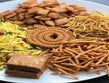
Every family has its way of preparing Chhath Puja special food. Below are five recipes with ingredients, cooking steps and useful tips. Some are traditional offerings; others are regional family dishes, so follow the customs observed in your home.
What Are the Traditional Chhath Puja Food Items?
Thekua, Rasiya, Kasar and seasonal fruits commonly feature on a Chhath Puja prasad list. Your family's selection may differ.
Celebrated especially in Bihar and eastern Uttar Pradesh, Chhath Puja includes offerings to the setting and rising sun. The festival honours Surya Dev and Chhathi Maiya, with offerings expressing gratitude and devotion. Household customs guide the preparations.
The Chhath Puja vrat forms part of a four-day observance. Kharna includes rice pudding and fruits, while offerings such as Thekua are arranged for arghya. These preparations belong to different stages, rather than one festive meal.
5 Chhath Puja Dishes to Prepare at Home
Here are five Chhath Puja recipes, along with their ingredients, step-by-step instructions and practical cooking tips. Timings and yields are approximate.
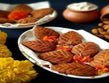
1. Thekua Recipe: The Traditional Sweet of Chhath Puja
Thekua is a special dish of Chhath Puja, traditionally prepared as an offering. These crisp discs are among the most recognisable Chhath Puja sweets.
Preparation Details
-
Preparation Time: 15 minutes
-
Cooking Time: 25–30 minutes
-
Makes: Approximately 10–12 pieces
Ingredients
-
2 cups whole wheat flour
-
¾ cup jaggery
-
Approximately ½ cup warm water
-
2 tablespoons grated coconut (optional)
-
1 teaspoon fennel seeds
-
Ghee for frying
How to Make Thekua
-
Dissolve jaggery in warm water, allow it to cool and strain if needed.
-
Mix flour, fennel seeds and coconut in a bowl.
-
Add the jaggery water a little at a time to make a firm dough.
-
Shape small portions into discs, using a traditional mould for patterns.
-
Fry in ghee over low to medium heat until golden on both sides.
-
Remove and cool completely before storing.
For better results: Keep the dough firm. Using a Wipro Induction Cooktop? Adjust the heat between batches and use induction-compatible cookware, where household customs permit.
2. Rasiya Recipe: Traditional Jaggery Rice Pudding
This Chhath Puja recipe uses rice, jaggery and water. Many households prepare milk-based jaggery kheer for Kharna, so follow your family's version.
Preparation Details
-
Preparation Time: 10 minutes
-
Cooking Time: 25–30 minutes
-
Serves: 4
Ingredients
-
1 cup rice
-
3–4 cups water
-
¾–1 cup jaggery, adjusted to preference
-
½ teaspoon cardamom powder
-
1 teaspoon ghee (optional)
How to Make Rasiya
-
Wash the rice thoroughly and soak it briefly before cooking.
-
Add rice and water to a heavy-bottomed vessel.
-
Cook until the grains are completely soft.
-
Separately dissolve jaggery in a little warm water and strain.
-
Add the jaggery liquid to the cooked rice and stir gently.
-
Simmer briefly until you reach your preferred consistency.
-
Add cardamom and ghee if these ingredients belong in your family's recipe.
A small reminder: Let the rice soften completely before adding jaggery for a smoother preparation.
3. Kasar Recipe: Traditional Rice Flour Ladoos
Rice flour, jaggery and ghee come together in these simple ladoos, another familiar Chhath Puja prasad preparation.
Preparation Details
-
Preparation Time: 10 minutes
-
Cooking Time: 10–15 minutes
-
Makes: Approximately 10 ladoos
Ingredients
-
2 cups rice flour
-
¾–1 cup finely grated jaggery
-
¼–½ cup ghee, as needed
-
½ teaspoon cardamom powder (optional)
How to Make Kasar
-
Roast rice flour over low heat until aromatic, without excessive browning.
-
Transfer the roasted flour to a large bowl and let it become warm.
-
Add the finely grated jaggery and cardamom, if using.
-
Mix thoroughly, breaking up jaggery lumps.
-
Gradually add warm ghee until the mixture holds together when pressed.
-
Shape the mixture into small ladoos and allow them to set.
-
Add cardamom and ghee if these ingredients belong in your family's recipe.
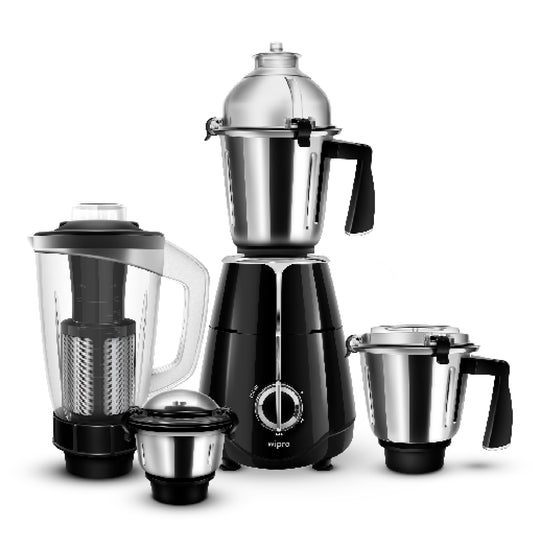
Preparing the cardamom? A Wipro Elato 1000W Mixer Grinder can help grind suitable dry ingredients. Use a clean, completely dry jar and follow the appliance instructions.
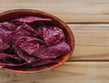
4. Lal Saag Bhujia Recipe: A Simple Traditional Side Dish
This red amaranth preparation may feature in regional festive meals. Unlike Thekua and Kasar, it is not a universal arghya offering.
Preparation Details
-
Preparation Time: 10 minutes
-
Cooking Time: 15 minutes
-
Serves: 3
Ingredients
-
1 bunch red amaranth leaves
-
1 tablespoon mustard oil
-
½ teaspoon cumin seeds
-
1 green chilli (optional)
How to Make Lal Saag Bhujia
-
Wash the leaves thoroughly to remove dirt.
-
Drain and chop them.
-
Heat mustard oil and add cumin seeds.
-
Add green chilli if household customs permit.
-
Add the leaves and cook over medium heat.
-
Stir occasionally until tender and excess moisture evaporates.
Before adding water: The leaves release moisture while cooking. Follow your family's rules for salt and seasonings.
5. Suthni Recipe: A Traditional Boiled Tuber Preparation
Suthni belongs to regional Chhath food traditions in Bihar and neighbouring areas. This edible tuber differs from the sweet potato; some families prepare it by boiling.
Preparation Details
-
Preparation Time: 5–10 minutes
-
Cooking Time: Approximately 20–30 minutes, depending on size
-
Serves: 4
Ingredients
-
4 pieces of correctly identified, edible Suthni
-
Water for boiling
How to Prepare Suthni
-
Wash the tubers thoroughly to remove soil.
-
Place in a pot and cover with water.
-
Boil until fully cooked and tender.
-
Drain and cool slightly.
-
Peel and prepare according to your family's method.
When buying Suthni: Choose a trusted seller familiar with the ingredient, as local names vary. Never use unidentified wild tubers. Prepare sweet potato separately where customary.
Preparing Chhath Prasad with Care
As with other Chhath Puja rituals, preparing Chhath Puja food means following household practices:
-
Clean first: Wash surfaces and utensils thoroughly.
-
Check ingredients: Use fresh flour, rice and jaggery.
-
Separate utensils: Keep dedicated vessels where customary.
-
Follow restrictions: Avoid onion, garlic and other prohibited ingredients.
-
Respect offerings: Follow family rules about tasting before offering.
-
Plan ahead: Measure ingredients before cooking.
You do not need several kitchen appliances for these recipes. Choose familiar utensils or useful tools that fit your family's practices and the cooking task at hand.
Frequently Asked Questions
-
What is the main prasad offered during Chhath Puja?
Thekua is one of the most common offerings. Chhath Puja prasad may also include Kasar, rice-based sweets, and fruits, depending on family traditions.
-
How do you make Thekua crispy?
Use firm dough and fry over low to medium heat. High heat can brown the outside before the centre cooks.
-
Can Chhath Puja prasad be prepared in advance?
Thekua can be made ahead and stored in clean, airtight containers after cooling. Store fresh dishes properly and prepare them according to household customs.
-
Can Thekua be made without jaggery?
Yes, Thekua can also be prepared using sugar instead of jaggery. Both versions are popular, and the choice generally depends on family preferences and regional traditions.
-
What is a sup for Chhath Puja?
The Chhath Puja sup, or soop, is a bamboo basket used to arrange offerings such as Thekua, fruits and sugarcane for arghya.