Skip to content


Soft idlis depend less on following a fixed fermentation clock and more on recognising the batter at each stage. Soak until the grains soften, grind urad dal fluffy and rice slightly grainy, mix to a thick ribbon consistency and steam only after fermentation is visibly active. These checkpoints make the final texture easier to judge.
A written idli recipe can give you exact quantities and timings, but batter does not always behave according to the clock. Fermentation changes with the warmth of the kitchen, the weather and even the consistency created during grinding.
That is why visual and texture cues are more useful here than relying only on "ferment for eight hours." The goal is to know what the batter should look and feel like before moving to the next stage.
Checkpoint 1: The Soaked Grains Should Break Easily
For approximately 20 idlis, use:
3 cups idli rice or parboiled rice
1 cup whole or split urad dal
½ teaspoon fenugreek seeds
Water as required
Salt as required
Oil for greasing the moulds
Wash the rice separately. Wash the urad dal and add the fenugreek seeds.
Soak both for five to six hours. Before grinding, press a grain of rice and a piece of dal between your fingers. They should feel swollen and break without much resistance.
Proper soaking also means the grinder does not need to work unnecessarily long.
Checkpoint 2: Do Not Give Rice and Dal the Same Texture
This is where good idli dosa batter starts taking shape.
Grind the Urad Dal Until Light
Drain the dal and keep some cold soaking water nearby.
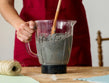
Grind in short intervals, adding water gradually. Stop when the batter looks pale, fluffy and slightly increased in volume. A spoonful should feel light rather than runny.
Keep the Rice Slightly Grainy
Grind the rice separately. It should become fine but retain a slight graininess rather than turning completely silky. That texture gives the steamed idli some structure.
Make the Grinding Easier Without Heating the Batter
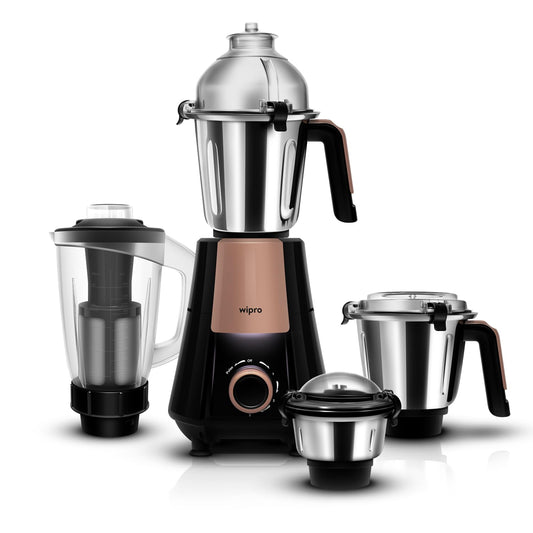
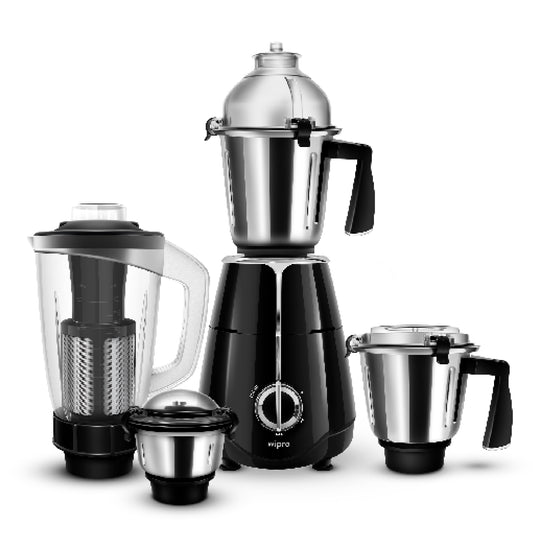
Among the more useful mixer grinder uses in an Indian kitchen is preparing wet batters, but the aim here is not simply to grind faster.
A mixer grinder by Wipro Appliances can handle wet batter preparation, including idli and dosa-style batters. Wipro Appliances also recommends grinding in stages and adding water gradually when preparing these batters.
For this recipe:
Work in manageable batches.
Use cold water gradually.
Pause between grinding runs.
Stop if the batter begins feeling noticeably warm.
This is where kitchen appliances should reduce effort without taking away the cook's judgement. The appliance can grind the soaked grains, but the fluffy urad texture and slightly grainy rice still need to be checked by hand.
Checkpoint 3: The Mixed Batter Should Fall in Thick Ribbons
Combine the rice and urad batters in a large bowl.
The finished batter should:
fall from a spoon in a thick ribbon
spread slowly rather than run like milk
feel airy but still hold some body
leave enough room in the bowl to rise
Add water little by little if it feels too stiff. A batter that becomes too thin may ferment but can still give flatter idlis.
Mix gently but thoroughly so the heavier rice batter does not remain settled at the bottom.
Checkpoint 4: Look Inside the Batter, Not Just at the Bowl
Cover loosely and leave the batter in a warm part of the kitchen.
Fermentation may take around eight to twelve hours, but the batter itself gives better clues. It is ready when:
the volume has clearly increased
small bubbles appear on the surface
the aroma is mildly sour
a spoon passed through reveals an airy interior
Fold gently after fermentation rather than stirring vigorously and knocking out the trapped air.
Checkpoint 5: Steam Only When the Water Is Ready
Grease the idli moulds and fill them about three-quarters full.
Bring the steaming water to a boil before placing the moulds inside. Steam over medium heat for around 10–12 minutes, then test one idli with a toothpick or knife. It should come out clean.
A multicooker by Wipro Appliances is another useful option when you want the steaming stage to need less monitoring. Wipro Appliances lists multicookers that support steaming tasks such as idlis alongside boiling and other one-pot functions.
Once steaming is complete, wait about two minutes before removing the moulds. This short pause helps prevent the soft surface from tearing.
What Does the Finished Idli Tell You?
The troubleshooting table from the original recipe is worth retaining because the finished idli often points back to what happened with the batter.
|
Result |
What may have happened |
|
Dense idlis |
Urad batter lacked air or fermentation was incomplete |
|
Flat idlis |
Batter was too thin |
|
Sour idlis |
Batter fermented too long |
|
Sticky idlis |
Under-steamed or removed too quickly |
|
Dry idlis |
Batter was too thick or steamed too long |
Soft Idlis Begin Before Steaming
The steamer cannot create fluffiness that never developed in the batter.
Check whether the soaked grains soften properly, the urad becomes airy, the rice keeps slight texture and the fermented batter looks aerated. Once those checkpoints are right, soft homemade idlis become far more dependable.
Frequently Asked Questions
-
Can regular rice be used?
Yes, although idli rice or parboiled rice generally gives a more dependable texture.
-
Why did my idli batter not rise?
The kitchen may have been too cool, or the urad batter may not have been ground until fluffy.
-
Can idli batter be refrigerated?
Yes. Refrigerate it after fermentation and use a clean spoon when taking portions.
-
Should fermented batter be stirred before steaming?
Fold it gently once. Vigorous stirring can remove the air developed during fermentation.
-
Can the same batter be used for dosa?
Yes. Thin a portion with water until it reaches a spreadable consistency.