Skip to content


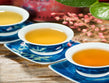
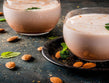
Kashmiri kahwa is a fragrant green tea infused with cardamom, cinnamon, saffron, and almonds. If you want to know how to make kahwa at home, gently infuse the spices in hot water, steep the green tea briefly, strain, sweeten if preferred, and finish with nuts.
Kashmiri kahwa is a warm, aromatic tea traditionally associated with Kashmir and known for its delicate combination of green tea, warming spices, saffron, and nuts. Unlike everyday milk tea, kahwa is usually prepared without milk, allowing the fragrance of the spices and tea leaves to remain at the centre of the cup.
Learning how to make kahwa tea is also surprisingly simple. Most of the preparation involves gently infusing the spices before adding the green tea, making it an easy beverage to prepare for quiet mornings, winter evenings, or when serving guests.
What Are the Ingredients of Kashmiri Kahwa?
The ingredients of Kashmiri kahwa are simple, but each contributes a distinct flavour and aroma.
For 2–3 cups, you will need:
-
3 cups water
-
1–2 teaspoons green tea leaves
-
3–4 green cardamom pods, lightly crushed
-
1 small cinnamon stick
-
A few saffron strands
-
1–2 teaspoons honey or sugar, according to preference
-
1–2 tablespoons slivered almonds
-
A few dried rose petals, optional
Saffron gives the tea its characteristic aroma and golden hue, while cardamom and cinnamon add warmth. Almond slivers provide a gentle nutty finish.
How to Make Kahwa Tea Step by Step?
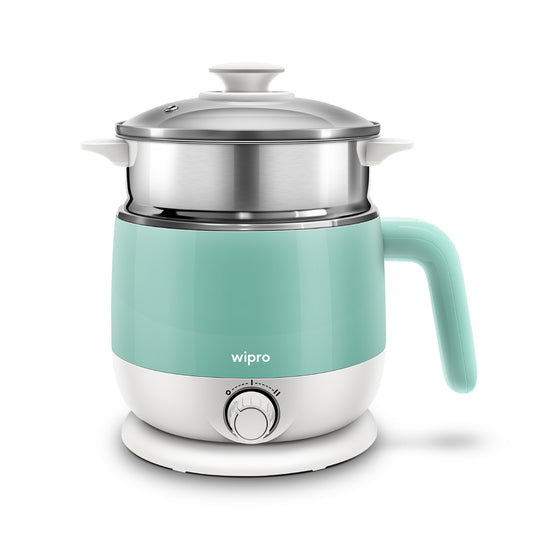
Wondering how to make kahwa at home without a traditional samovar? A saucepan or multicooker can make the process easy.
Step 1: Heat the Water
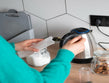
Add about 3 cups of water to a saucepan or a suitable multicooker kettle and bring it to a simmer.
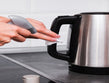
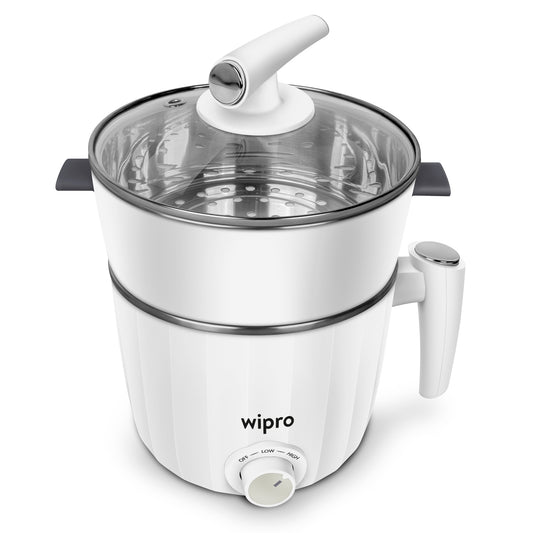
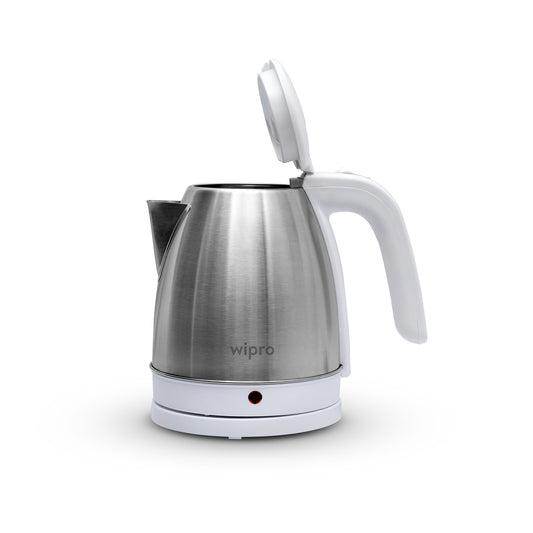
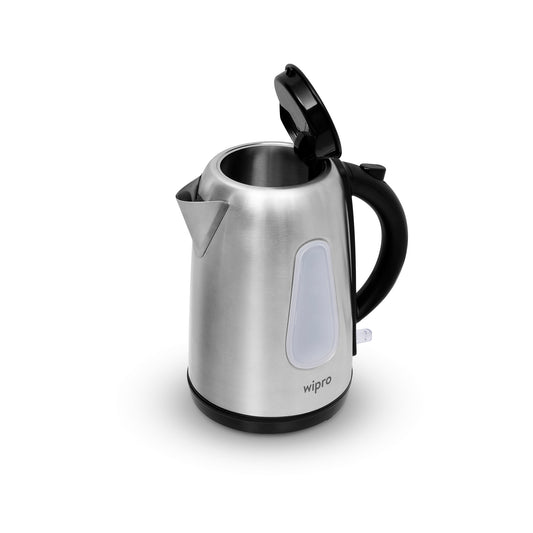
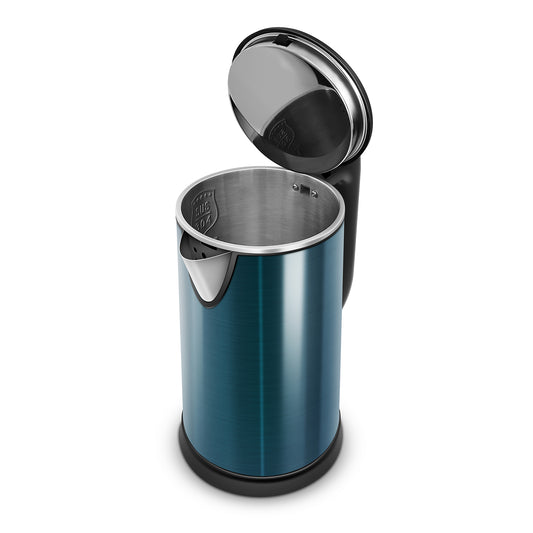
The Wipro 1.5L Electric Kettle can be useful at this stage, as it is designed for boiling water and preparing tea. Its dual-temperature control also lets you adjust the heat to suit the preparation.
Step 2: Infuse the Spices
Add the crushed cardamom pods and cinnamon stick to the hot water.
Let them gently infuse for around 2–3 minutes. Avoid aggressively boiling the mixture for too long, as a gentler infusion keeps the flavours balanced.
Step 3: Add the Saffron
Add a few saffron strands and allow them to infuse for another minute.
You can also soak the saffron beforehand in a spoonful of warm water and add it to the tea for more even distribution.
Step 4: Steep the Green Tea
Reduce or switch off the heat before adding the green tea leaves.
Let them steep for approximately 2–3 minutes. Steeping for too long can make green tea noticeably bitter, so taste the brew before extending the steeping time.
Step 5: Strain and Sweeten
Strain the kahwa into serving cups.
Add honey or sugar if you prefer a mildly sweet drink. Sweetening is optional, so the amount can easily be adjusted according to taste.
Step 6: Add Almonds and Serve
Finish with slivered almonds and, if desired, a few dried rose petals.
Serve the kahwa warm while its spice and saffron aromas are still prominent.
Making Kashmiri Kahwa More Convenient at Home
Traditional kahwa may be associated with elaborate serving rituals, but everyday preparation need not be complicated.
A multicooker kettle is particularly practical when you want a single appliance for heating water and infusing ingredients. The Wipro 1.5L Electric Kettle has a 1500-watt heating element, a stainless steel inner wall, triple-level protection, and overheating prevention.
These features are useful for tea preparation because kahwa benefits from controlled heating rather than continuously boiling the tea leaves.
Tips for a Better Homemade Kahwa
A few small changes can help you customise the recipe without losing its characteristic flavour:
-
Use whole spices: Lightly crushed cardamom and whole cinnamon generally give a cleaner infusion than finely powdered spices.
-
Watch the green tea steeping time: A short steep helps prevent excessive bitterness.
-
Adjust saffron carefully: A few strands are usually enough to give the drink colour and aroma.
-
Add sweetness last: Taste the tea first before adding honey or sugar.
-
Try different garnishes: Almonds are commonly used, while rose petals can add another layer of aroma.
When Can You Serve Kashmiri Kahwa?
Kahwa works well beyond cold winter mornings. Its light yet aromatic profile makes it suitable after meals, during evening conversations, or as a warm drink when entertaining guests.
Once you understand how to make kahwa tea, the recipe is also easy to scale. Simply maintain the balance between water, tea leaves, and spices so that no single ingredient overwhelms the others.
Bring the Aroma of Kashmiri Kahwa Home
The appeal of Kashmiri kahwa lies in its simplicity: green tea, aromatic spices, saffron, and nuts come together in a cup that feels distinct from everyday tea.
Learning how to make kahwa at home takes only a few steps, and an appliance such as an electric kettle can make heating and preparing the infusion more convenient. The result is a warm, fragrant drink that can be enjoyed whenever you want something lighter and more aromatic than regular milk tea.
FAQs
-
What are the main ingredients of Kashmiri kahwa?
Green tea, cardamom, cinnamon, saffron, almonds, and optional sweetener are the main ingredients.
-
How do you make kahwa tea without a samovar?
You can prepare it easily in a saucepan or multicooker kettle by infusing the spices before steeping the green tea.
-
Does Kashmiri kahwa contain milk?
Traditional kahwa is generally prepared without milk.
-
How long should green tea steep in kahwa?
Around 2–3 minutes is usually sufficient to develop flavour without making the tea excessively bitter.
-
Can honey be added to Kashmiri kahwa?
Yes, honey can be added after straining if you prefer a sweeter cup.