
Choosing between an induction stove and a gas stove depends on efficiency, safety, and availability, with induction cooktops emerging as a reliable, energy-efficient option amid rising LPG concerns.
The debate between an induction stove and a gas stove has become more relevant than ever. Traditionally, gas stoves have dominated Indian kitchens due to familiarity and control. However, with increasing concerns around LPG availability, fluctuating prices, and safety, many households are exploring alternatives.
Recent LPG supply disruptions and regional shortages have highlighted the need for a dependable backup. This is where induction cooktops stand out. When comparing induction vs gas, it is no longer just about cooking style; it is about convenience, efficiency, and future readiness. Understanding how cooking on induction vs gas differs can help you make a practical, informed decision for your kitchen.
Understanding How Each Works
- Gas Stove: A gas stove uses LPG cylinders to produce an open flame. The heat directly transfers to the cookware, allowing traditional cooking methods like roasting, frying, and simmering.
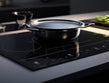
- Induction Cooktop: An induction cooktop uses electromagnetic energy to heat the cookware directly. Unlike gas, there is no open flame. The heat is generated only when compatible cookware is placed on the surface.
When evaluating induction vs gas cooktops, the difference in heating technology plays a major role in efficiency and safety.
Efficiency: Which Saves More Time and Energy?
One of the biggest advantages of induction cooktops is efficiency.
- Induction cooktops convert up to 85–90% of energy into heat
- Gas stoves typically use only 60–65% of energy efficiently
- Faster heating reduces cooking time significantly
In a real kitchen scenario, boiling water or cooking dal is noticeably quicker on induction. When comparing gas or induction cooktops, induction clearly leads in energy efficiency.
Additionally, induction cooking minimises heat loss, keeping your kitchen cooler, especially beneficial in Indian summers.
Safety: A Critical Factor
Safety is often overlooked until an issue arises.
Gas Stove Risks:
- Open flame hazards
- Gas leaks
- Risk of burns and fire accidents
Induction Cooktop Benefits:
- No open flame
- Automatic shut-off when cookware is removed
- Surface remains relatively cool
In the induction vs gas comparison, induction cooktops offer a significantly safer cooking environment, especially for homes with children or elderly members.
Cost and Running Expenses
Gas stove cooking expenses:
- Requires regular LPG cylinder refills
- Prices fluctuate based on global fuel trends
- Supply disruptions can affect daily cooking
Induction Cooktop cooking expenses:
- Runs on electricity
- Predictable energy costs
- No dependency on fuel delivery
Understanding the efficiency of your appliances is key, so check out the power consumption of induction cooktop models to see the cost benefits.
This detailed breakdown helps you calculate potential energy savings when switching from traditional cooking methods.
With recent LPG shortages, many households have faced delays in cylinder availability. This makes induction vs gas cooktop a practical consideration rather than just a preference. An induction cooktop can serve as both a primary and backup solution, ensuring uninterrupted cooking.
Cooking Experience and Control
Gas Cooking:
- Instant flame control
- Ideal for traditional cooking techniques
- Works with all types of cookware
Induction Cooking:
- Precise temperature control
- Pre-set cooking modes
- Requires induction-compatible utensils
While some people prefer the tactile control of gas, modern induction cooktops are designed to replicate traditional cooking needs through smart controls. When comparing cooking on induction vs gas, induction offers consistency and precision.
Maintenance and Cleaning
Cleaning is where induction cooktops truly stand out.
Cleaning and Maintenance for Gas Stove:
- Burners require regular cleaning
- Oil spills can get stuck in crevices
- Time-consuming maintenance
Induction Cooktop cleaning:
- Flat surface for easy wiping
- No soot or residue
- Minimal effort required
In the induction vs gas debate, induction clearly wins in terms of convenience and hygiene.
Environmental Impact
With increasing awareness about sustainability, your kitchen choices matter.
- Gas stoves emit carbon dioxide and pollutants
- Induction cooktops are cleaner and more energy-efficient
- Lower overall carbon footprint when using efficient electricity sources
Choosing between a gas or induction cooktop is not just about convenience; it also impacts environmental responsibility.
The Growing Need for Induction Cooktops
LPG shortages in recent times have disrupted daily cooking routines across many households. Delays in cylinder delivery and rising costs have made people rethink their dependence on gas. This is why many kitchens now include an induction cooktop as a backup, or even a primary solution.
When comparing an induction stove and a gas stove, the flexibility of induction cooking makes it highly reliable. Whether you are dealing with supply issues or simply want a faster cooking option, induction cooktops provide peace of mind.
When Should You Choose Induction?
An induction cooktop is ideal if:
- You want faster and energy-efficient cooking
- Safety is a priority
- You need a backup during LPG shortages
- You prefer low-maintenance appliances
For modern households, the induction vs gas cooktop comparison increasingly favours induction due to convenience and reliability.
Before making your final purchase, learn how to choose the best induction cooktop by evaluating the latest features and safety standards.
Why Do Modern Kitchens Prefer Induction?
Today’s kitchens are evolving with technology. Smart appliances are designed to save time, improve safety, and simplify everyday tasks.
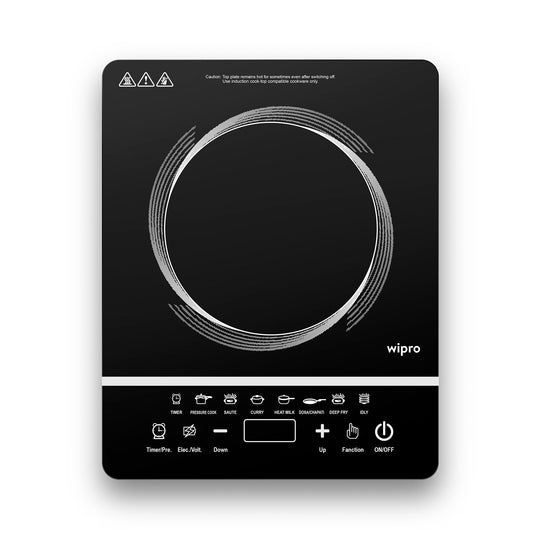
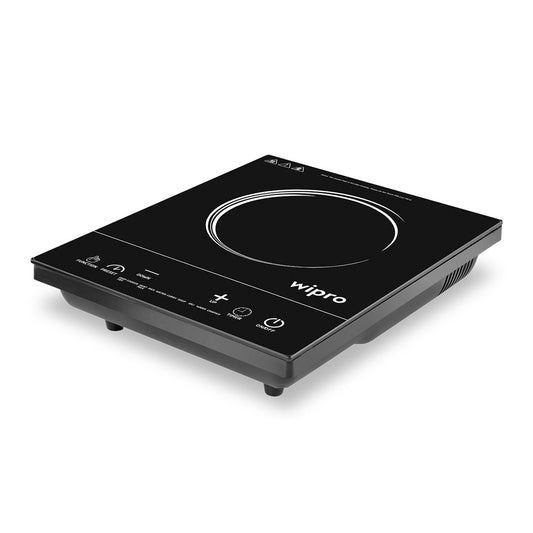
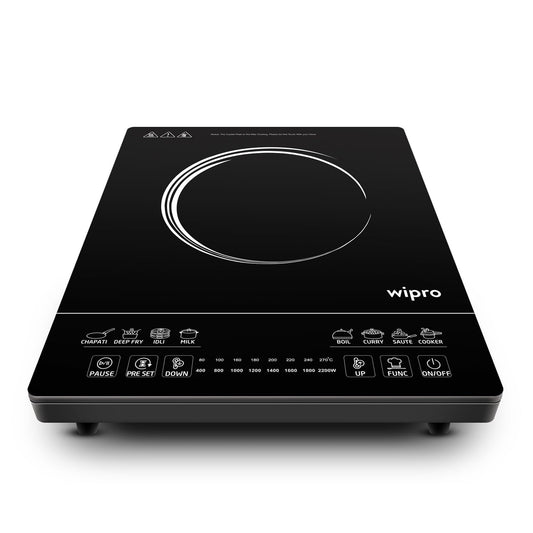
The Wipro Induction Cooktop is built to meet these needs effectively. It offers:
- Smart sensor touch control for easy operation
- Ten pre-programmed Indian menu custom functions suited to everyday cooking
- Hands-free cooking with a timer function for better time management
- A crystal glass plate that enhances aesthetics and allows easy cleaning
- Powerful 2000W performance for faster cooking and up to 4x energy savings
These features make it suitable for everything from boiling milk to preparing full meals with precision.
Choosing between an induction stove and a gas stove depends on your cooking habits, lifestyle, and priorities. While gas stoves continue to offer familiarity and versatility, induction cooktops bring efficiency, safety, and reliability to modern kitchens.
With rising LPG concerns and the need for uninterrupted cooking, the induction vs gas comparison is shifting in favour of induction. It is not just an alternative; it is a smart upgrade. For many households, the best approach is not choosing one over the other, but combining both. Using an induction cooktop alongside a gas stove ensures flexibility, efficiency, and peace of mind.
In today’s changing environment, having an induction cooktop is no longer optional; it is a practical necessity for a future-ready kitchen.
FAQs
-
Which is better for daily cooking: induction or gas stove?
Both work well, but induction is more energy-efficient and safer, while gas offers better control for traditional cooking methods.
-
Does induction cooking increase electricity bills significantly?
Not necessarily, as induction cooktops are highly efficient and often consume less energy overall compared to gas usage costs.
-
Can I use normal utensils on an induction cooktop?
No, induction requires compatible cookware like stainless steel or cast iron with a magnetic base.
-
Is an induction cooktop safe for homes with children?
Yes, it is safer as there is no open flame and it includes features like auto shut-off and controlled heating.
-
Can induction cooktops completely replace gas stoves?
They can for most cooking needs, but many households prefer using both for flexibility and convenience.