
Quick Overview
Holi celebrates the triumph of good over evil and community togetherness. Alongside colours and music, traditional foods energise and refresh celebrants after hours of play. Across India, specific dishes carry cultural significance during Holi festivities, from North Indian gujiyas to Bihari dhuska, and classic lassi that refreshes in the early spring sun.
This guide offers traditional Holi foods with cultural context, simple tips, and FAQs.
Holi Food: 5 Traditional Foods to Enjoy on Holi
Holi, the festival of colours, is celebrated differently in different parts of the country, but the spirit of the festival remains the same.
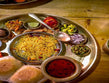
The celebrations start early in the morning, with men and women indulging in colour play and splashing water. After hours of playing in the sun, dancing, and merry-making, the celebration continues by feasting on special Holi delicacies.
With Holi just around the corner, let us look at some of the Holi traditional dishes from different parts of the country.
Holi’s Culinary Tradition: A Cultural Snapshot
Holi’s food traditions vary widely across regions:
-
North India: Known for sweets like gujiya and savoury snacks like kachori.
-
Eastern India: Dhuska and thekua (in Bihar & Jharkhand) are popular.
-
Western India: Puran poli and karanji variants of gujiya.
-
Central & Southern India: Unique local snacks accompany the festival with region-specific flavours.
Food during Holi often reflects agrarian cycles, celebrating the end of winter harvests with rich, hearty foods.
Dhuska
Region: Bihar, Jharkhand, Uttar Pradesh
Type: Savoury fried snack

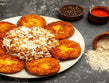
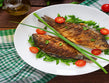
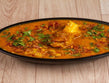
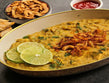
Indians have a never-ending love for fried snacks. No matter which part of the country you are in, you will surely find a fried delicacy there. And one such savoury-fried delicacy from the central and northern parts of India is Dhuska.
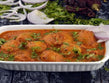
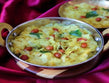
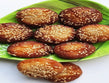
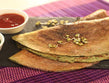
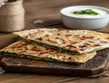
It is also one of the famous Holi festival foods of the region, and the celebration in most families is incomplete without it. Dhuska is a fried flatbread that is made with rice batter and is usually served with chana masala and chutney. Its crisp exterior and soft interior make it ideal after outdoor play.
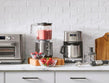
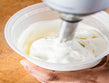
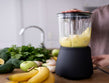
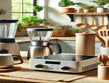
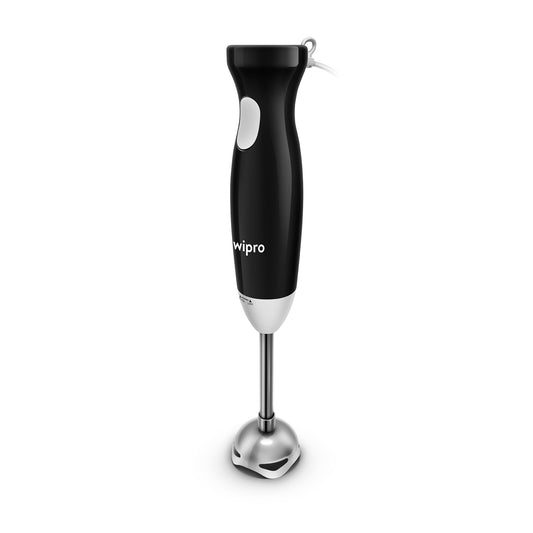
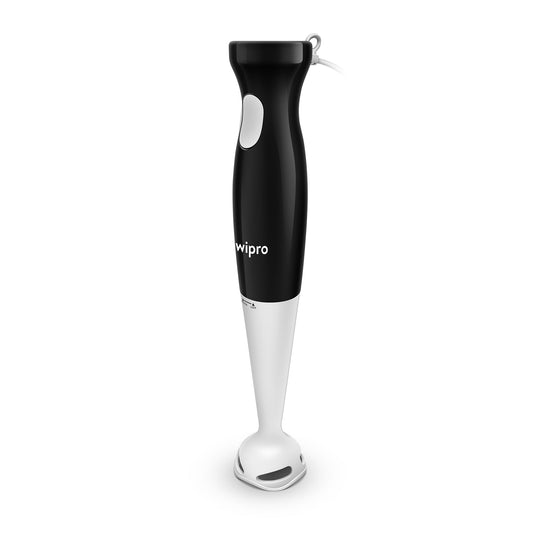
Use the hand blender from Wipro Appliances to grind your masala and chutney, elevating the dish's flavour and texture.
Kachori
Region: Across North & Central India
Type: Fried snack

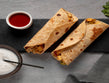
If ever there is one dish that could make every Indian’s heart skip a beat, it would be Kachori. The fried ball of goodness, Kachori, is a delicious snack with a crispy outer pastry and a mouth-watering filling of peas, potatoes, onions, and dried fruits.
During Holi, almost every family pulls out their secret Kachori recipe, and every bite of it can make your heart sing and your life colourful, just like the colours of Holi!
Fun Fact: Kachori’s origins trace back centuries as a festive food in North Indian markets, often enjoyed with spicy aloo sabzi.
Lassi
Region: Pan-India (especially Punjab & North India)
Type: Yogurt-based drink

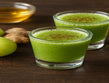
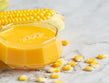
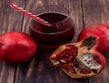
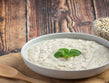
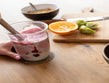
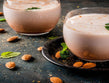
If you could have a national beverage, Lassi would undoubtedly be the unanimous winner. A single sip of this rich, creamy, yoghurt-based beverage would make you feel you are in a paradise!
One of the most loved drinks in India, especially during Holi, it makes you feel refreshed, and after indulging in a Holi feast, Lassi is the perfect way to end your meal. It cleanses your palate and leaves a sweet hum in your mouth.
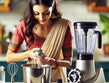
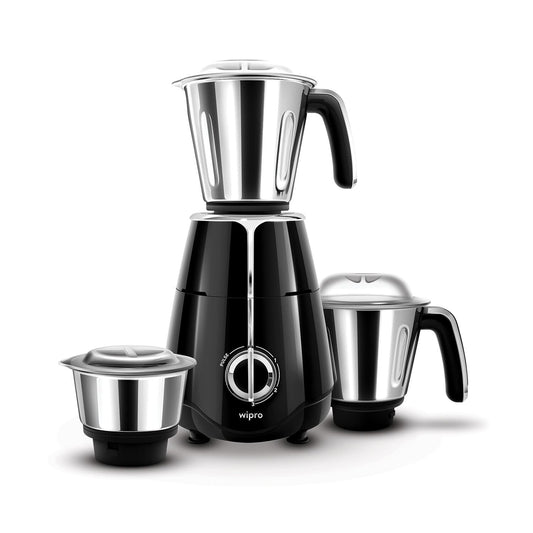
While a simple, plain Lassi is delightful, there are different versions of it with different flavours like Mango Lassi, Strawberry Lassi, etc. With the summer setting in, Mango Lassi is the drink of the season. So, this Holi, don’t miss your chance to enjoy a glassful ring in your Holi celebrations. Using a mixer grinder will make your work easier.
Namak Pare
Region: All India
Type: Savoury snack

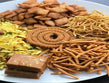
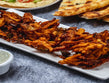
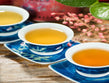
If you look at best traditional Holi special food, you would definitely stumble upon Namak Pare recipe. If you love to have more savoury snacks rather than indulging in sweets, Namak Pare is the perfect accompaniment for your tea.
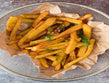
The bite-sized snack, Nama Pare, is one of the most sought-after delicacies during Holi, and you can see the sweet shops making them fresh every day throughout India. And, the best part is that Namak Pare has a long shelf-life and so you can enjoy munching on them even after the festival.
Gujiya
Region: Northern & Western India
Type: Sweet dumpling

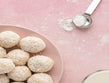
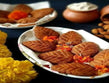
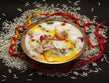
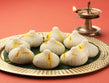
Holi is synonymous with Gujiyas. It is one of the most loved Holi special sweet dishes that perfectly captures the essence of the festival. The sweet aroma of freshly made Gujiyas coming from the kitchens of Indian homes signals the onset of the Holi festival.
Gujiya is the quintessential Holi sweet — a deep-fried pastry filled with sweetened khoya (milk solids), nuts, and aromatic spices. It’s celebrated across states with variations:
-
Maharashtra: Karanji
-
Bihar/Jharkhand: Pedakiya/Khaja variants
-
Karnataka/Tamil Nadu: Sweet stuffed snacks with local twists
Cultural Insight: The aroma of freshly fried gujiyas is often considered the sensory signal that Holi has truly begun in many North Indian households.
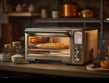
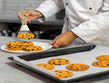
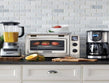
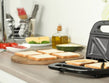
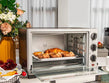
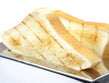
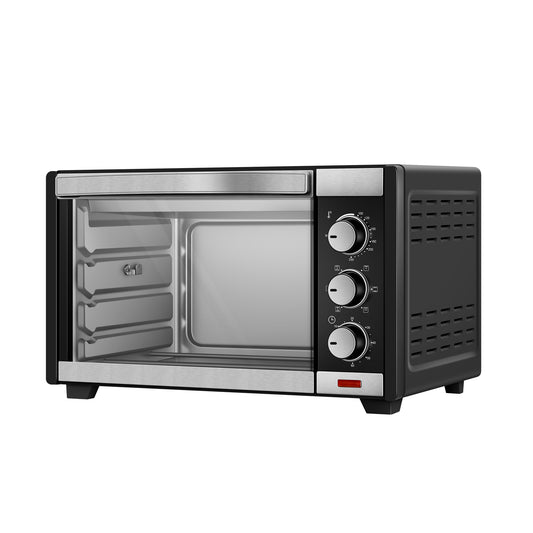
You want to make it at home, by giving your own twist and making a healthier one. Use an Oven toast griller from Wipro Appliances instead of frying it. Baked Gujiyas are equally tasty, and you can indulge in more than one without any guilt!
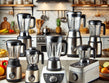
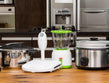
Complete kitchen set up with Wipro Kitchen Appliances
Are all these amazing Holi dishes making your mouth water and getting you excited for Holi 2026? Then check out the range of amazing and world-class quality kitchen appliances from Wipro Appliances and prepare a wonderful Holi feast for your friends and loved ones! Happy HOLI!
FAQs
-
Why are most Holi foods deep-fried?
Holi marks the transition from winter to spring, and traditionally, energy-rich foods like fried snacks helped people refuel after long outdoor celebrations. Fried foods also store well, making them practical for festive prep.
-
Is thandai also a traditional Holi drink?
Yes! Thandai is one of the most traditional Holi drinks, especially in Uttar Pradesh and Rajasthan. It’s made with milk, nuts, and spices like fennel and cardamom, and is closely linked to temple and community celebrations.
-
How far in advance are Holi snacks prepared?
Dry snacks like namak pare and mathri are often made 3–5 days before Holi, as they stay fresh for long when stored in airtight containers.
-
What makes Holi food different from Diwali food?
Holi foods often include cooling drinks like lassi and thandai because the festival falls near summer. Diwali food, on the other hand, is more winter-focused and heavier with dry sweets and rich snacks.