Skip to content


- Ceramic coating sandwich makers are PTFE- and PFOA-free, making them a safer cooking option.
- Teflon coating provides excellent non-stick performance and lower cost.
- Ceramic coatings last longer and resist scratches, but they are usually slightly more expensive.
- If you want budget-friendly cookware with strong non-stick performance, Teflon can work well.
The history and evolution of cookware are quite fascinating and interesting. Earlier, our ancestors, used cooking utensils that were made of locally available materials like clay, brass, copper, iron, etc. However, over the years, as the culinary techniques have evolved, the cookware too has kept pace. Today, when it comes to choosing the best cookware, you will find plenty of options.
Whether it is pots and pans, woks, or a sandwich maker, choosing the right material for cooking utensils is paramount as it can make a world of difference in the taste and flavour of the food you are making. Every type of cookware has its own pros and cons, and certain cookware materials work better for certain types of cooking.
In this blog, we discuss Ceramic vs Teflon coating sandwich makers so that you can make an informed buying decision.
Teflon Coating Sandwich Maker
Teflon coating in sandwich makers provides a non-stick surface that helps toast bread evenly with minimal oil and makes cleaning easier. However, because Teflon is a synthetic material, it can release harmful fumes at very high temperatures and tends to wear off over time.
- Teflon is a synthetic coating commonly applied to cookware surfaces, including sandwich makers or griller toasters.
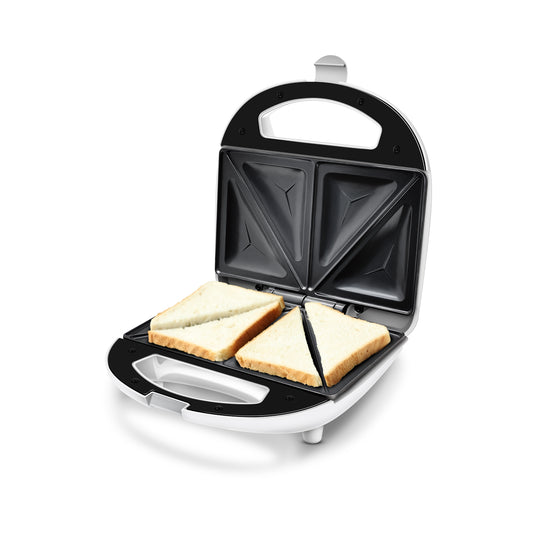
- In sandwich makers, the heating plates or soleplates are coated with Teflon to create a smooth, non-stick cooking surface.
- The non-stick coating ensures bread slices do not stick to the heating surface while toasting.
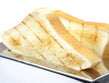
- Because the bread does not stick, you can get evenly toasted and crispy sandwiches.
- The non-stick surface allows you to cook sandwiches using very little oil or butter, making them comparatively healthier.
- Since food residue does not stick to the plates, cleaning becomes simple—usually just wiping the surface with a damp cloth is enough.
- Teflon is a synthetic plastic-based material that can release toxic fumes if heated to extremely high temperatures.
- These fumes may be harmful if inhaled or if the chemicals mix with food during overheating.
- Teflon coatings can wear off over time, especially with frequent use.
- Once the coating deteriorates, food may start sticking to the surface, reducing the effectiveness of the sandwich maker.
Ceramic Coating Sandwich Maker
Ceramic-coated Grill sandwich maker are considered safer than Teflon because they are free from PTFE and PFOA and do not release toxic fumes. They also provide a durable, scratch-resistant non-stick surface, retain heat well, and are easy to clean, though they are usually slightly more expensive.
- Ceramic coating is an inorganic, non-metallic material used on cookware surfaces, including sandwich makers.
- These sandwich makers do not contain PTFE (Polytetrafluoroethylene) or PFOA (Perfluorooctanoic acid), making them a safer cooking option.
- Unlike some synthetic coatings, ceramic does not release toxic fumes when heated, making it a safer choice for everyday cooking.
- The ceramic coating provides a smooth, non-stick surface that prevents food, such as sandwiches or grilled items, from sticking to the plate.
- These are generally more resistant to scratches compared to many other non-stick coatings.
- The silicone oil layer used in ceramic-coated sandwich makers helps prevent residue buildup, allowing the surface to be cleaned easily with a simple wipe.
- Ceramic surfaces may take slightly longer to heat initially, but once hot, they retain heat for longer periods.
- Because of its strong heat retention, the ceramic coating allows food to cook efficiently and evenly.
- Ceramic-coated sandwich makers are usually more expensive than Teflon-coated models.
- Since ceramic coatings are more durable and do not emit harmful fumes, they are often considered a more cost-effective and healthier long-term choice.
A quick comparison between Ceramic and Teflon coating
|
Feature |
Teflon Coating |
Ceramic Coating |
|
Material |
PTFE (synthetic non-stick coating) |
Inorganic mineral-based coating |
|
Safety |
Safe at normal temperatures but may release fumes if overheated |
PTFE- and PFOA-free |
|
Non-stick performance |
Excellent |
Very good |
|
Durability |
Coating may wear off over time |
Generally more scratch-resistant |
|
Heat retention |
Heats quickly |
Retains heat longer |
|
Price |
Usually cheaper |
Slightly more expensive |
Get the best ceramic-coated sandwich maker from Wipro Appliances
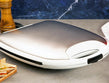
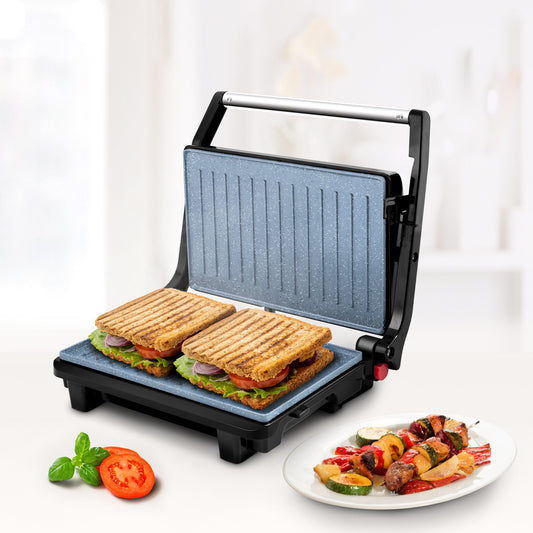
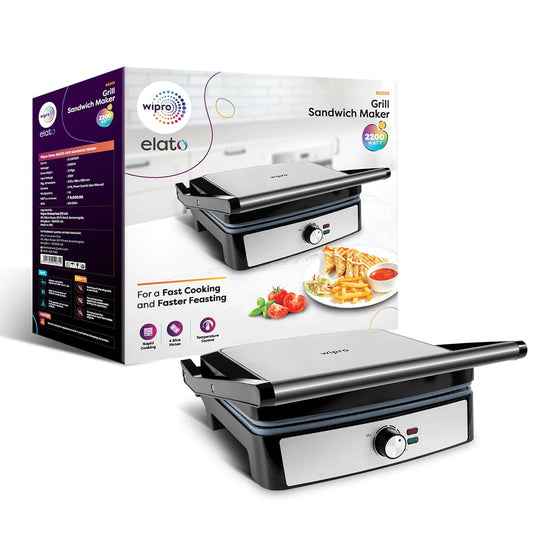
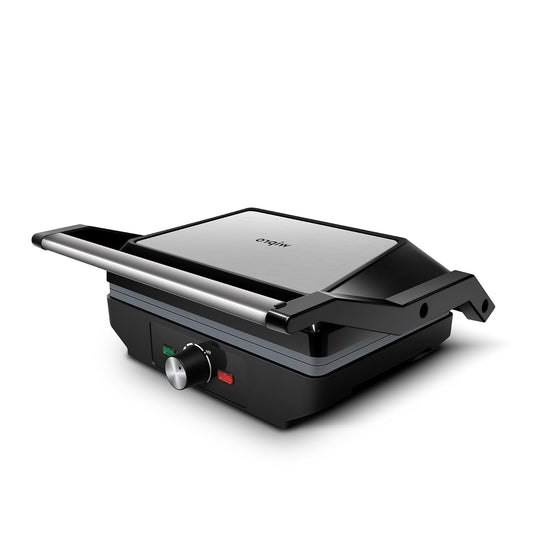
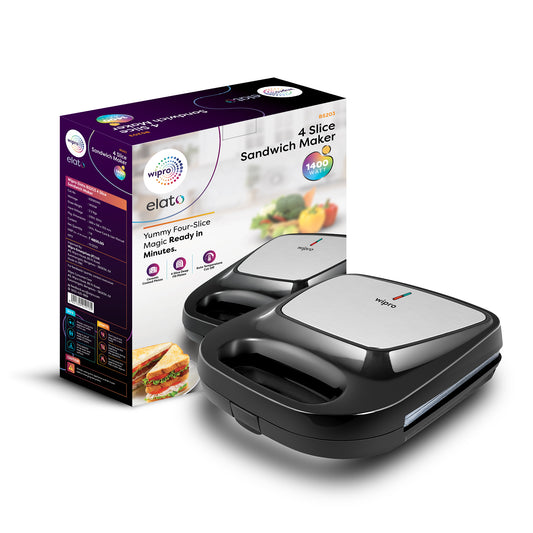
If you are looking for the best griller sandwich maker , you can consider buying the Elato 1000-Watt Grill Sandwich Maker by Wipro Appliances. This stunning-looking sandwich maker is a versatile kitchen appliance that allows you to grill and toast sandwiches, and also serves many other purposes.
Key Features of Wipro Elato Sandwich Maker
- 1000W high-performance heating
- 180° flat opening for grilling multiple foods
- Non-toxic ceramic-coated plates
- Non-stick surface for low-oil cooking
- Easy-to-clean wipe surface
- Cool-touch handle for safe handling
- Premium stainless steel finish
Another important feature of this sandwich maker is its aesthetic design. The smooth stainless finish makes it a wonderful addition in any kitchen, and it will surely blend in with any décor you have at home. Lastly, the cool-touch handle of the sandwich maker lets you handle the appliance safely, without worrying about burns or injuries.
Conclusion
Both ceramic and Teflon sandwich makers offer excellent non-stick cooking performance. Teflon is typically more affordable and heats quickly, while ceramic coatings provide a toxin-free surface and better durability.
If you prioritise health, longevity, and scratch resistance, a ceramic sandwich maker is often the better investment.
Frequently Asked Questions
Q: Is ceramic coating safer than Teflon?
Ceramic coatings are typically PTFE- and PFOA-free, meaning they do not release toxic fumes when overheated. However, modern PTFE cookware is considered safe when used at recommended cooking temperatures.
Q: Does Teflon release toxins while cooking?
According to the FDA, PTFE cookware is safe at normal cooking temperatures. However, overheating beyond recommended limits may cause the coating to degrade.
Q: Which sandwich maker coating lasts longer?
Ceramic coatings tend to be more scratch-resistant and may last longer than traditional non-stick coatings when properly maintained.
Q: Is ceramic sandwich maker non-stick?
Yes. Ceramic coatings provide a naturally smooth non-stick surface that allows cooking with minimal oil.