Skip to content


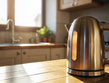
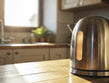
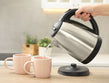
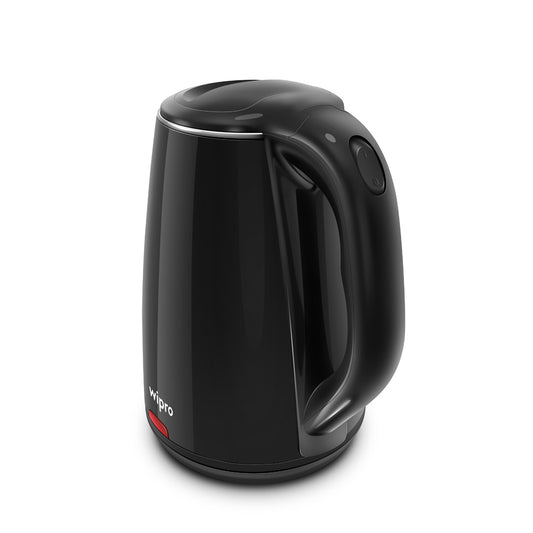
An electric kettle is not just for boiling water. From tea and coffee to instant noodles, baby food prep, quick cooking support, and cleaning hacks, the use of an electric kettle can make everyday kitchen tasks faster and easier.
There are some appliances you buy for one job and then realise they quietly solve ten other problems. An electric kettle is exactly that. It heats water quickly, saves stove space, and helps you manage busy mornings, hostel meals, office snacks, and late-night cravings without much effort.
So, what is the use of an electric kettle beyond making tea? Quite a lot, actually. Let’s look at the most practical uses of a kettle in the kitchen and how it can become one of the most convenient kitchen appliances for daily life.
Making Tea, Coffee, and Green Tea Quickly
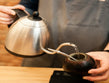
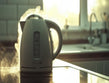
The most common use of an electric kettle is boiling water for tea, coffee, green tea, lemon water, or herbal drinks. Instead of waiting near the gas stove, you can heat water in minutes and pour it directly into your cup.
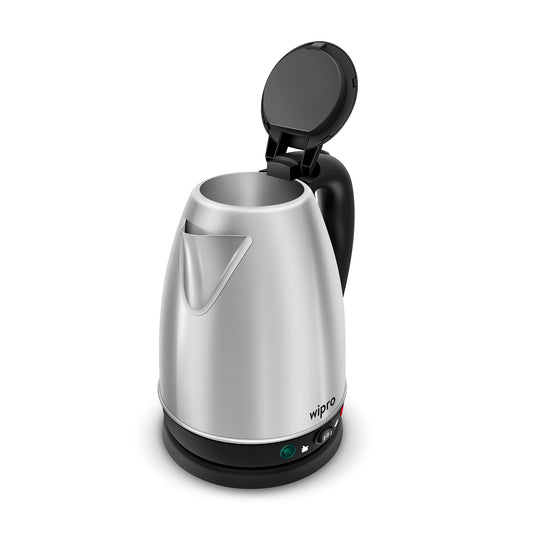
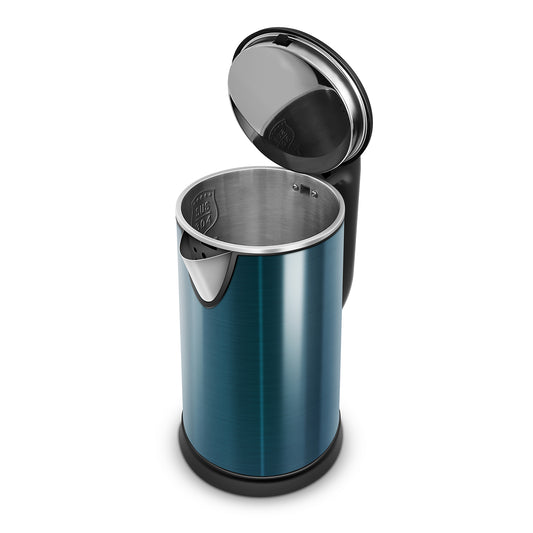
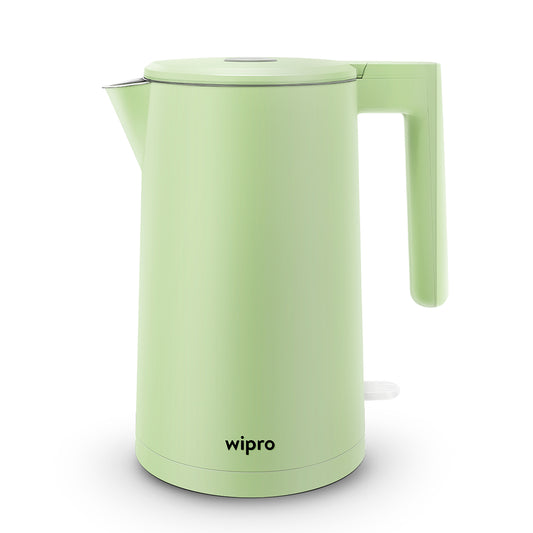
This is especially useful during rushed mornings, work-from-home breaks, or when guests arrive suddenly. Models like the 1.5L Electric Kettle or 1.7L Cool Touch Electric Kettle can be handy for families because of their practical capacity and everyday usability.
Preparing Instant Noodles and Ready-to-Eat Meals
One of the different uses of an electric kettle is making quick snacks. You can boil water and pour it over instant noodles, cup soups, oats, poha mixes, or ready-to-eat meals that only need hot water.
This makes it a favourite for hostels, PG rooms, office pantries, and travel stays. It does not replace full cooking, but it makes light meals much faster when you do not want to use multiple utensils.
Boiling Water for Baby Food and Formula Prep
An electric kettle is helpful for parents who need warm water for baby formula, cereal, or sterilising small feeding accessories. The benefit is speed and convenience, especially during late-night feeding routines.
However, always allow boiled water to cool to the correct safe temperature before preparing formula. Also, clean the kettle regularly so there is no mineral build-up or stale water smell.
Speeding Up Cooking Prep
If you cook often, this is one of the smartest uses of a kettle in the kitchen. Instead of waiting for water to boil in a pan, you can heat it in the kettle and add it directly to rice, pasta, dal, soup, or vegetables.
This helps when you are cooking on an induction cooktop, gas stove, or multi-cooker and want to reduce prep time. It is a small habit, but it can make weekday cooking feel much smoother.
Making Oats, Soups, and Breakfast Bowls
For breakfast, the use of an electric kettle goes beyond beverages. You can pour hot water over instant oats, muesli, soup sachets, vermicelli cups, or breakfast mixes.
For people who want simple meals without heavy cooking, an electric kettle is genuinely useful.
Helping with Kitchen Cleaning
Hot water can make cleaning easier. You can use kettle-boiled water to loosen grease from utensils, soften sticky food residue, rinse oily containers, or clean sink corners.
Just remember, the kettle should only be used to heat water. Do not add soap, oil, milk, masala, or food directly into it unless the product manual clearly allows it. For most electric kettles, plain water is the safest option.
Preparing Warm Water for Health and Daily Routines
Many people start their day with warm water, lemon water, honey water, or herbal infusions. An electric kettle makes this habit easier because you do not need to turn on the stove every time.
The 1.8L Cool Touch Electric Kettle, for example, is useful when multiple family members need hot water during the morning. Its larger capacity can support more than one cup at a time, making it practical for everyday home use.
Quick Safety Tips While Using an Electric Kettle
To get the best use of an electric kettle, follow a few simple habits:
-
Fill water only up to the maximum level marked inside.
-
Do not switch it on when it is empty.
-
Keep the base and plug area dry.
-
Avoid boiling milk, tea leaves, or soups inside the kettle.
-
Descale regularly if you live in a hard-water area.
-
Empty leftover water instead of storing it for too long.
These small steps help your electric kettle perform better and last longer.
How Is an Electric Kettle More Useful Than You Think
The biggest advantage of an electric kettle is how quietly it fits into daily routines. It helps students, working professionals, parents, frequent travellers, and families manage small kitchen tasks without extra effort.
From beverages to breakfast prep, instant snacks, baby food support, and cleaning assistance, the different uses of an electric kettle make it a compact but valuable appliance. If you are building a practical kitchen appliances setup, an electric kettle is one of those simple additions that you may end up using every single day.
FAQs
-
What is the use of an electric kettle in daily kitchen work?
The main use of an electric kettle is to boil water quickly for tea, coffee, green tea, instant noodles, oats, soups, and cooking prep. It is especially useful when you want hot water without using the gas stove.
-
Can I boil milk in an electric kettle?
It is usually not recommended to boil milk in a regular electric kettle because milk can overflow, burn at the base, and become difficult to clean. Most kettles are designed mainly for boiling water, so always check the appliance manual first.
-
Can an electric kettle be used for cooking noodles?
Yes, you can use an electric kettle to boil water for instant noodles or cup noodles. It is better to pour the hot water into a bowl or cup instead of cooking noodles directly inside the kettle.
-
Is an electric kettle better than boiling water on gas?
An electric kettle is faster and more convenient for small quantities of hot water. Gas may still be better for large cooking tasks, but for tea, coffee, soups, and quick prep, a kettle is easier to use.
-
How do I clean an electric kettle at home?
Fill the kettle with water and a little vinegar or lemon juice, boil it, let it sit for a few minutes, and rinse well. Wipe the outer body with a damp cloth and always dry the base area before use.